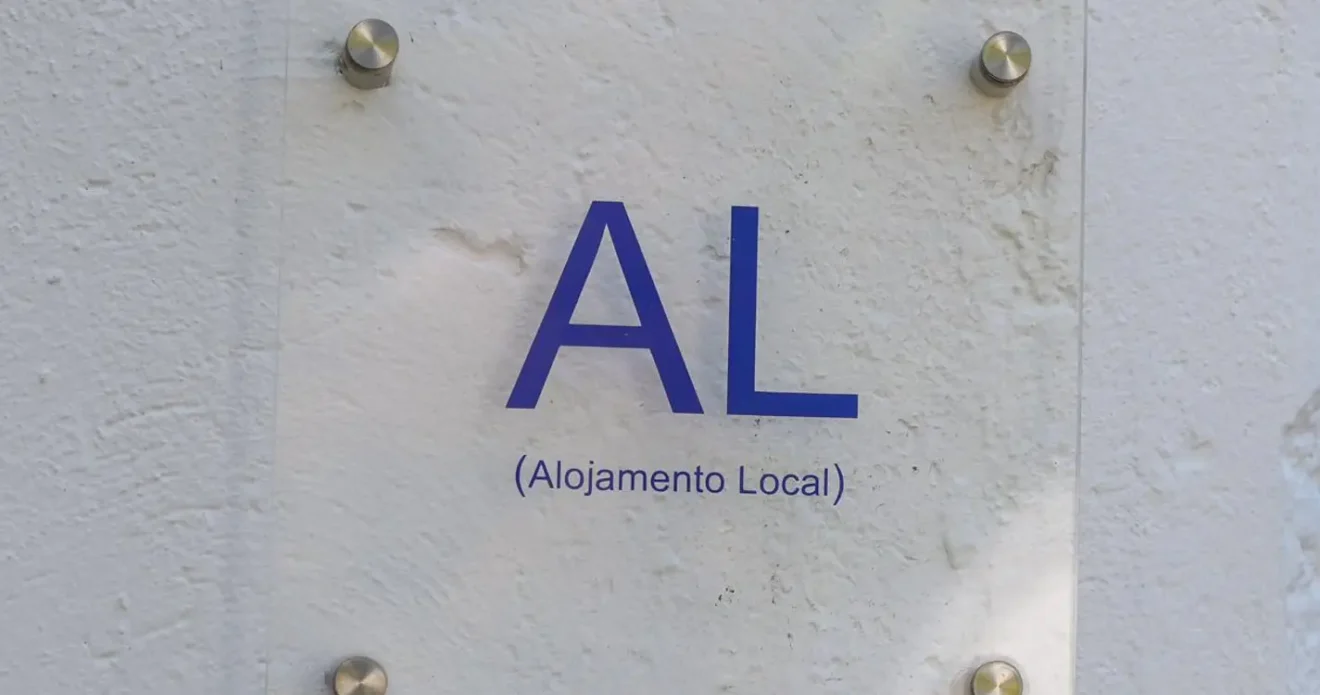
The regulation for Local Accommodation (AL) establishments in the municipality of Funchal, which sets new rules and limits for this economic activity, particularly in residential buildings, was approved this morning by the Municipal Assembly. The regulation was passed with the support of the PSD/CDS coalition and Chega, with the JPP and PS abstaining, and the Liberal Initiative (IL) voting against.
Councilman Paulo Lobo stated that this regulation represents the swift fulfilment of an electoral promise made by the PSD/CDS coalition. “The President stated that there should be no new registrations of Local Accommodation in multi-family residential buildings. That is what we are here to fulfil,” he added, highlighting that, despite the new restrictions, there remains openness for investment in urban rehabilitation and the recovery of vacant or derelict buildings.
Rosalina Bayntun (IL), the only municipal deputy to vote against the regulation, acknowledged that there is “a serious problem” regarding access to housing in Funchal. However, she argued that not every solution is acceptable and that the crisis “is not resolved by limiting the freedom of those who invest.”
Liliana da Gama, from the JPP, tabled a proposal to amend the draft regulation, but the PSD/CDS majority refused to discuss it, as it was submitted after the deadline. In the opinion of Liliana da Gama (JPP), the final version of the municipal regulation does not adequately address the problems it intends to solve, fails to ensure the protection of residents, and does not incorporate the suggestions provided by the 170 individuals and entities that participated in the public consultation phase.
Sérgio Abreu (PS) stated that Local Accommodation is an issue that has concerned his party for some time, admitting it is complex because it involves opposing interests. On one hand, it has acted as “a springboard for the recovery of degraded buildings,” but on the other, residents in Funchal are facing eviction and precarious housing situations because landlords intend to convert their properties into AL units. Regarding the regulation, he noted the absence of a mechanism for sanctioning those who breach the rules of this activity.
Carmo Gomes (Chega) also acknowledged that AL “is not an easy subject” and argued that “investors and residents must be protected,” stating that a strategy that does not penalise one party to the detriment of the other is necessary.
Finally, João Paulo Marques (PSD) delivered an extensive speech, describing the regulation as “a balanced solution” resulting from the “extraordinary work” of the councillor and municipal technicians, alongside courageous discussions that drew 170 public contributions. The deputy criticised the opposition. He denounced a conflict of interest involving JPP municipal deputy Leonardo Reis, alleging that Reis participated in the political discussion and voting on a regulation that directly affects his own AL business interests. Furthermore, he noted that the executive of the Santa Cruz Municipality took two years to conclude that it should begin implementing similar regulations. Regarding the PS, Marques said the party demands the City Council implement stricter measures for existing ALs without specifying the criteria for this “more aggressive approach,” which he suggested might be illegal. “This regulation is not the end of AL in Funchal, as some parties wanted. It is, rather, the beginning of an AL with rules, designed for the territory and one that respects those who want to continue living here,” he added.
Samantha Gannon
info at madeira-weekly.com
Views: 73