Scientific divers taking part in the Madeira Ocean expedition have recorded greater biodiversity inside the Garajau Nature Reserve than in a nearby unprotected area, highlighting the benefits of marine conservation.
Speaking to Lusa, Filipe Henriques, one of the scientific diving team coordinators, said the observations showed the reserve’s positive contribution to preserving marine life.
Researchers carried out dives at depths of 10 and 20 metres in two locations approximately one kilometre apart. One was inside the reserve, where fishing is prohibited, while the other was outside its boundaries and subject to fishing and other human activities.
The team observed a wider variety of fish inside the protected area, including groupers, while several species recorded there were absent from the second location.
Differences were also evident on the seabed. According to Henriques, the protected area supported a more balanced mix of species, whereas fewer species were observed outside the reserve, suggesting an ecological imbalance.
Divers conducted visual surveys of fish and seabed organisms, supported by photographs and samples collected for further identification. The findings will help policymakers make decisions based on the best available scientific information.
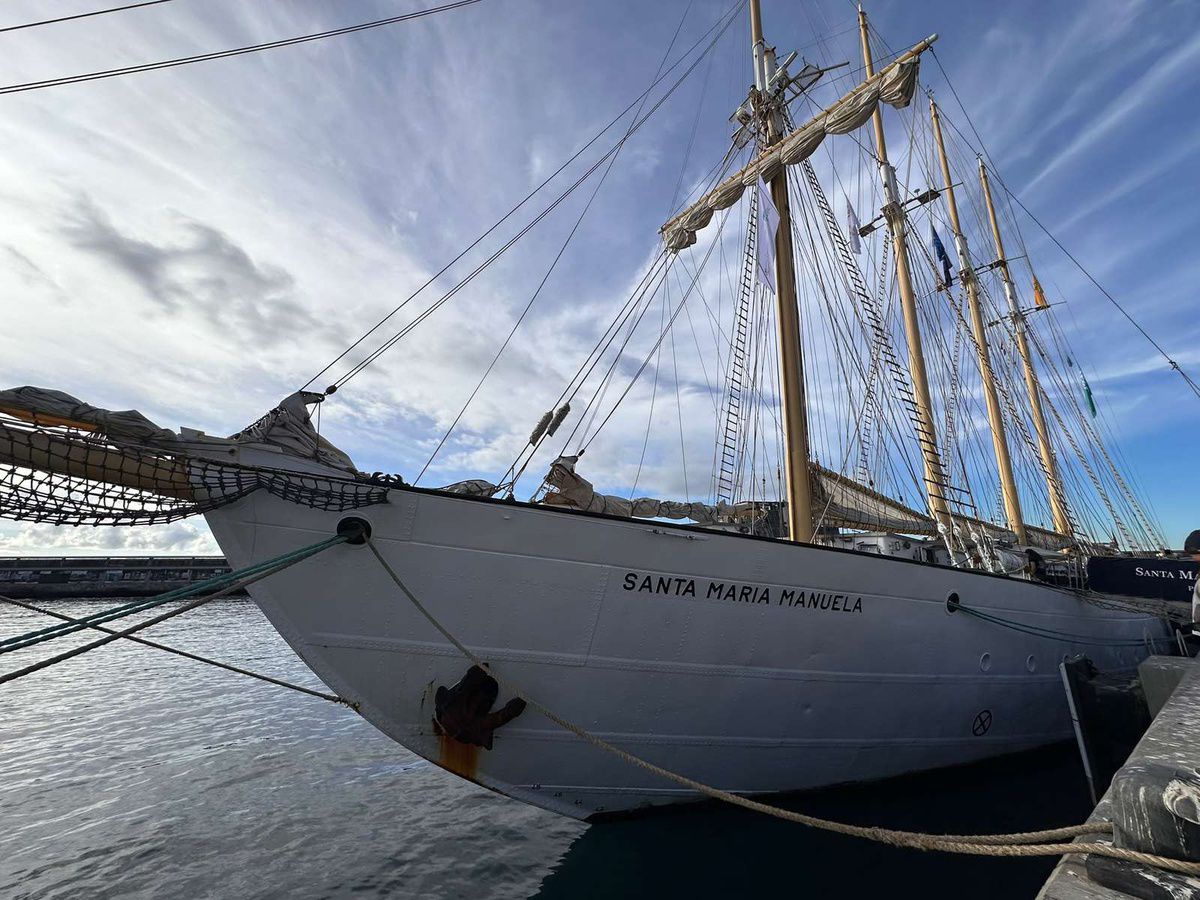
Two diving teams set out from the expedition’s main support vessel, the former cod-fishing ship Santa Maria Manuela. After a safety briefing and equipment checks, they travelled by small boat to the survey locations.
Back on board, researchers continued identifying species and entering their observations into databases. Among the samples collected was a marine sponge that could not be identified during the dive and requires further examination.
Scientific diver Luís Silva welcomed the initial observations, while noting that the data still needed to be examined. He also stressed the importance of sharing discoveries from underwater environments that most people cannot access.
Technical and safety support is coordinated by José Tourais, who has been diving since 1980 and has participated in more than 20 expeditions. He described the longstanding cooperation between divers and biologists as a “happy marriage,” with both groups learning from each other.
The expedition also plans to survey northern Madeira and Porto Santo, where difficult sea conditions have limited the information available to scientists.
Madeira Ocean 2026 began on the 2nd of October and continues until the end of the month. It brings together around 200 participants, including more than 100 Portuguese and international scientists, using a range of research methods and technologies.
Samantha Gannon
info at madeira-weekly.com
Views: 11