I read this article in JM-Madeira and thought it interesting.
Madeira may be known for its levadas, dramatic coastline, good food and spring-like climate, but illness and accidents can happen in even the most idyllic destination.
Gastroenteritis, a fall on a walking trail or an asthma attack can quickly turn a holiday into a stressful and expensive experience. For both tourists visiting Madeira and island residents travelling abroad, suitable travel insurance can provide valuable medical, financial and practical support.
The principle is simple: medical travel insurance is intended to prevent an unexpected health problem from becoming an even greater logistical and financial burden.
The hidden cost of a medical emergency
The most common problems are not necessarily dramatic. A traveller may need treatment for dehydration, an X-ray after spraining an ankle on an uneven pavement, or antibiotics for an infection. These are ordinary medical situations, but in some countries the cost of care can be substantial.
Visitors to Madeira may assume that Portugal’s public health service will cover every eventuality. However, travellers can still encounter delays, language difficulties and additional costs for medication, tests, transport or private treatment.
For Madeira residents travelling abroad, the potential costs can be considerably higher. Even relatively simple treatment in the United States, for example, may cost more than the holiday itself. Hospital treatment in other destinations can also become expensive, while European public healthcare arrangements do not necessarily cover private care, repatriation or every associated expense.
The medical bill is only part of the picture. Travellers may also face the cost of changing flights, extending hotel stays, arranging transport or accommodation for a companion, and paying deposits while decisions are made.
Why Madeira’s island location matters
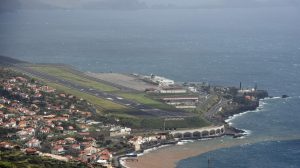
Madeira’s location introduces another important consideration. In serious cases, a patient may need specialist treatment or a transfer to mainland Portugal.
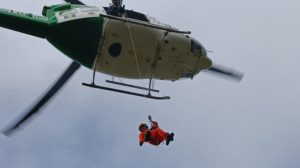
A major fall, cardiac emergency or accident in a remote area may require medical evacuation, specialist staff, an adapted aircraft and careful co-ordination between hospitals. These arrangements are very different from ordinary passenger transport and can be extremely costly when they fall outside public provision or the traveller’s entitlement to care.
The same issue applies to Madeira residents elsewhere in the world. An open fracture in Asia, a serious infection during a Caribbean cruise or a road accident on a Greek island could require evacuation or repatriation.
In an emergency, few people are in a position to compare prices or negotiate with hospitals. This is where an insurer’s assistance service can be as important as the policy’s financial cover.
What to look for in a policy
Travel insurance should not be chosen on price alone. A cheaper policy may have low medical limits, significant exclusions, excess payments or a reimbursement process that requires the traveller to pay large bills in advance.
Policies need to combine medical cover with an assistance service. Whatever provider is chosen, travellers should read the policy wording carefully and check that the cover is appropriate for their destination, planned activities and personal circumstances.
Important points to check include:
- whether the medical-expenses limit is realistic for the destination;
- cover for hospital admission, diagnostic tests and medication;
- medical evacuation and repatriation;
- support for an accompanying relative or travel companion;
- access to a 24-hour assistance line;
- whether the insurer can arrange direct payment to a medical provider;
- the availability of support in a language the traveller understands;
- any policy excess, exclusions or requirements relating to pre-existing conditions; and
- whether activities such as hiking, diving, cycling or motorcycling are covered.
Travellers should also check official entry requirements. Some countries may require proof of insurance or impose minimum levels of medical cover.
Understanding the policy excess
An excess is the amount the policyholder must pay towards a claim. Depending on the policy, it may apply to each person, each claim or each separate incident.
Some lower-cost policies also require the insured person to pay the medical provider first and apply for reimbursement later. This can create difficulties when a hospital requests an immediate deposit or the traveller does not have sufficient available credit.
A policy with no excess can reduce that burden, although “zero excess” does not mean that every possible expense is covered. Limits, exclusions and the insurer’s authorisation procedures still apply. Travellers should therefore confirm how claims are handled and whether direct payment can be arranged before receiving non-emergency treatment.
Telemedicine and travel-assistance apps
Many insurers now provide an app or online service through which customers can request help, upload documents and, in some cases, speak to a doctor remotely.
Telemedicine can be useful for problems such as stomach upsets, mild respiratory symptoms, minor allergic reactions or questions about medication. A remote consultation may help a traveller decide whether self-care is appropriate or an in-person medical assessment is needed.
Using hotel or accommodation Wi-Fi can also avoid the cost of an international telephone call. However, telemedicine is not a substitute for emergency care. Anyone experiencing severe chest pain, breathing difficulties, heavy bleeding, loss of consciousness or other serious symptoms should contact the local emergency services immediately.
For a visitor to Madeira with nausea and diarrhoea, for example, a remote consultation may provide advice about hydration, warning signs and when to seek treatment. By contrast, someone experiencing severe chest pain should not wait for an online appointment before calling for urgent help.
What can go wrong without suitable cover?
Without adequate insurance, travellers may delay seeking help because they are worried about the cost. Their condition may then worsen, leading to more complicated treatment and a larger bill.
Hospitals or clinics may request payment or a deposit before providing non-emergency care. Further costs can arise from tests, medication, transport and changes to travel arrangements. Recovering these expenses later can be difficult if invoices or medical reports are incomplete.
Some credit cards include travel insurance, but the cover is not always automatic. The trip may need to have been paid for with the card, the policy may require prior activation, and medical or repatriation limits may be lower than expected. Cardholders should obtain the full policy terms rather than assume they are protected.
A travel checklist
Before departure:
- choose a medical-expenses limit suitable for the destination;
- check the terms for evacuation and repatriation;
- declare relevant pre-existing medical conditions;
- confirm that planned sports and activities are included;
- note the policy excess and how medical bills are paid;
- save the insurer’s emergency number and policy details on a phone;
- keep an offline or printed copy in case internet access is unavailable;
- carry any necessary medication in its original packaging; and
- obtain a European Health Insurance Card or other relevant health document where applicable, while remembering that it is not a replacement for travel insurance.
What to do in a medical emergency
If a medical emergency occurs:
- Assess the severity of the situation and call the local emergency number if urgent help is needed.
- Contact the insurer’s assistance service as soon as reasonably possible. In Portugal and across the EU, the emergency number is 112.
- Follow the insurer’s guidance about an approved hospital or medical provider when circumstances allow.
- Keep medical reports, prescriptions, receipts and itemised invoices.
- Do not arrange private evacuation or specialist transport without medical advice and the insurer’s authorisation, unless immediate action is necessary to protect life.
Preparation, not pessimism
Travel insurance cannot prevent illness or accidents, but it can limit the financial and practical consequences.
For visitors, Madeira’s island setting makes evacuation and repatriation particularly important considerations. For residents travelling overseas, the cost and complexity of an unfamiliar healthcare system can present an equally serious risk.
The right policy will depend on the destination, the traveller’s health, the activities planned and the level of cover required. Checking the details before departure may take a little time, but it is far easier than discovering a policy’s limitations during an emergency.
Travelling safely is not about expecting the worst. It is about being properly prepared, so that an unexpected medical problem does not overshadow the entire journey.
Samantha Gannon
info at madeira-weekly.com
Original article JM-Madeira (11th of August 2026)
Views: 36