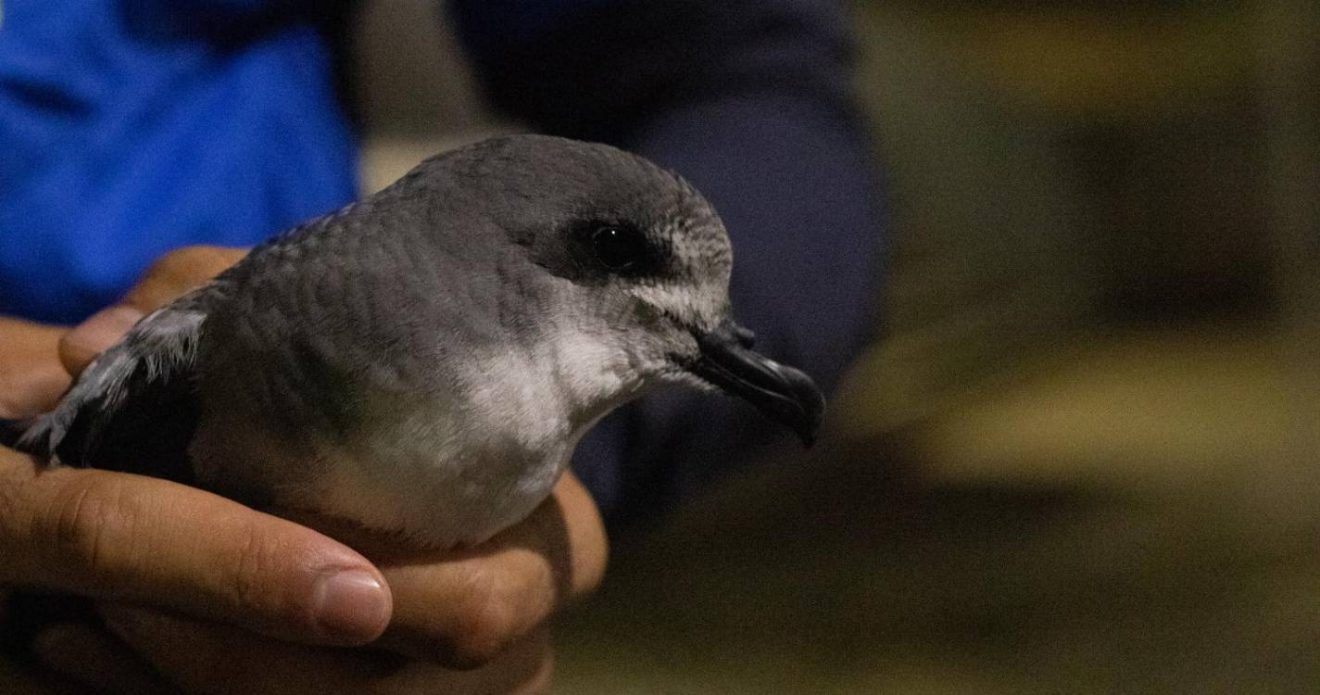
The Juntos Pelo Povo (JPP) parliamentary group has met with the regional delegation of the Portuguese Society for the Study of Birds (SPEA) to discuss the growing impact of light pollution on Madeira’s biodiversity and the need for a legal framework to address the issue across the Autonomous Region.
According to a statement issued by the party, the meeting focused on the findings of SPEA’s research and the progress of projects being implemented in several municipalities to reduce excessive artificial lighting at night.
The SPEA delegation was led by regional coordinator Cátia Gouveia, accompanied by technical specialist Dr Fernando Chacón. During the meeting, they presented a range of technical measures already in use to reduce unnecessary lighting while warning of the serious impact that poorly designed public lighting can have on local wildlife, particularly Madeira’s endemic seabirds.
SPEA also argued that municipalities should adopt Public Lighting Master Plans to reduce the amount of light directed towards the night sky and introduce scheduled switch-off periods for unnecessary lighting.
Following the meeting, JPP said it recognised the environmental, public health and financial benefits of tackling light pollution and has undertaken to examine the findings with a view to proposing legislative measures in the Regional Parliament.
Light pollution has become an increasing concern in Madeira because many of the island’s seabirds, including Cory’s shearwater (Cagarra), use natural light from the moon and stars to navigate. Artificial lighting can disorientate fledglings as they leave their nests for the first time, causing them to become grounded in urban areas where they are vulnerable to dehydration, exhaustion, road traffic and predators. Every autumn, volunteers across Madeira take part in rescue campaigns to collect stranded birds and release them safely back into the sea.
Environmental groups also point out that reducing unnecessary lighting brings wider benefits. Well-designed lighting systems can lower electricity consumption and carbon emissions, improve visibility by reducing glare, protect nocturnal wildlife and insects, and help restore the natural night sky. Increasingly, cities and regions around the world are adopting “dark sky” policies that balance public safety with environmental protection through the use of shielded lighting, warmer-coloured LED lamps and lighting only where and when it is genuinely needed.
Samantha Gannon
info at madeira-weekly.com
Views: 46