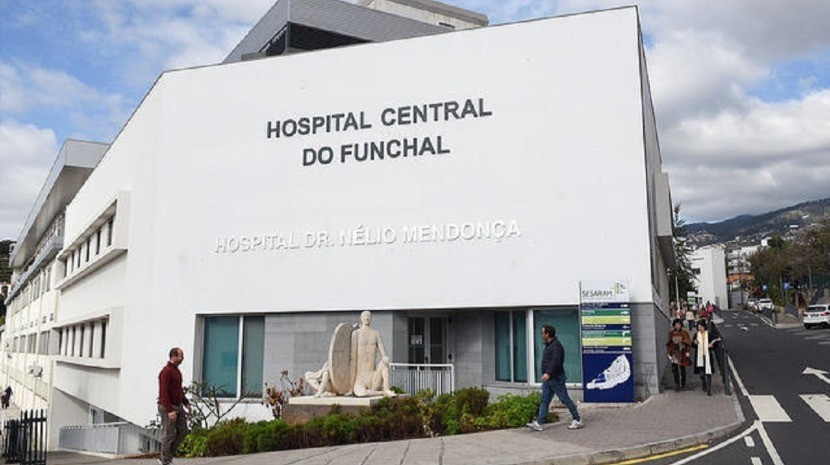
The JPP has requested a parliamentary hearing with the Regional Secretary for Health and Civil Protection and SESARAM’s Clinical Director over the reported existence of around 500 patients who have been medically fit for discharge but remain in hospital due to a lack of social care provision.
Speaking at a press conference this morning, JPP deputy Paulo Alves said the figures now available revealed a “very worrying” situation that required an “immediate response” from the Regional Government.
“The Clinical Director of SESARAM, Dr Júlio Nóbrega, explained that the total number of patients who have been medically discharged but remain in hospital is around 500. Approximately 250 are in Dr Nélio Mendonça and Marmeleiros hospitals, with the remainder spread across other health institutions in the Region,” the deputy said. He added that, “if delayed hospital discharges already required urgent solutions, this new reality, acknowledged by the head of the regional health service’s clinical department, presents deeply worrying evidence.”
According to the vice-president of the JPP parliamentary group, “there is no time for further delays or for avoiding responsibility.” He argued that the Government must promote closer cooperation between the departments responsible for Health and Social Security, while also involving social partners, private social solidarity institutions, charitable organisations, municipalities, and private providers. Otherwise, he warned, delayed hospital discharges could lead to “unpredictable disruption” across the Regional Health Service.
Referring to the recent suspension of hospital visits and SESARAM’s explanation for the measure, Paulo Alves said it confirmed “a clear cause-and-effect relationship” stemming from delayed discharges. He noted that the hospital administration had itself acknowledged overcrowding in the Emergency Department, where around 50 patients were waiting for admission to hospital wards.
The deputy also highlighted the growing number of nurses submitting declarations of professional non-responsibility, which he said demonstrated “the lack of conditions to provide care in accordance with the standards recommended by the World Health Organisation and the Order of Nurses.” He criticised the fact that nurses were simultaneously providing emergency care while also looking after patients being treated in hospital corridors who should already have been admitted to wards.
Paulo Alves also described the measures announced by the Regional Secretariat for Inclusion, Labour and Youth as disappointing and clearly insufficient. Announcing the availability of just 20 additional beds falls far short of what is needed to address the scale of the problem, he said. He also questioned whether the institutions expected to receive these patients had sufficient long-term care capacity, qualified staff, appropriate facilities, and the necessary medical equipment.
In the JPP’s view, the latest figures demonstrate that the management of delayed hospital discharges has deteriorated in recent years, reflecting a lack of investment in long-term care units, palliative care, residential homes and care homes for older people. Paulo Alves also called for a genuine increase in financial and practical support for families wishing to care for elderly relatives at home.
While acknowledging that the Regional Government has urged families to take greater responsibility for caring for relatives, the deputy argued that this can only be achieved if adequate support is made available. “It is essential to understand the real capacity and needs of families who wish to care for sick relatives at home. Without home support services and meaningful formal assistance, even the strongest willingness on the part of families is unlikely to be enough,” he said.
In light of the situation, Paulo Alves announced that the party would seek further clarification. “The JPP will submit a request for a parliamentary hearing before the Permanent Specialised Committee for Health, calling on the Regional Secretary for Health and Civil Protection, the Regional Secretary for Inclusion, Labour and Youth, and the Clinical Director of SESARAM to provide explanations,” he concluded.
Samantha Gannon
info at madeira-weekly.com
Views: 16