Madeira’s main business association has criticised the new walking trail charges as “excessive,” warning that mounting tourism costs could damage the sector as air fares rise and some demand indicators show signs of slowing.
In a statement issued on Tuesday, the 10th of November, the Commercial and Industrial Association of Funchal – Madeira Chamber of Commerce and Industry (ACIF-CCIM) expressed its “deep displeasure” at the succession of additional charges affecting tourism businesses.
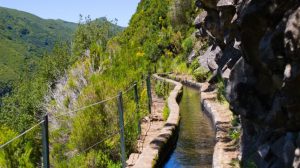
From the 1st of April 2027, the standard fee for non-resident visitors using classified walking trails will rise from €4.50 to €7.50, an increase of 66.7%.
Charges for Vereda do Pico Ruivo, Vereda da Ponta de São Lourenço, Levada do Caldeirão Verde and Vereda dos Balcões will increase to €15, a rise of 233.3%. The fee for the full Areeiro route will rise by 71.4% to €18.
Potential revenue from the three most popular routes has been estimated at around €14 million. However, ACIF says neither the assumptions behind that estimate nor the intended use of the money have been made clear.
The association also challenged Funchal City Council’s proposal to double its tourist tax from €2 to €4 per person, per night. The proposal is currently under public consultation.
According to the supporting document, annual revenue could rise from approximately €14.33 million collected in 2025 to €28.66 million, assuming overnight stays and passenger numbers remain unchanged.
ACIF argues that the proposal neither demonstrates why the increase is necessary nor adequately explains how existing revenue is being spent.
The association acknowledges the importance of conserving Madeira’s natural heritage and ensuring visitor safety. However, it says increases must be supported by data, clear objectives, measurable improvements and accountability.
It also considers the notice given for changes of this scale “unacceptable,” arguing that it does not reflect the tourism sector’s contracting timescales. Many businesses, it says, will be unable to pass the additional costs on to customers whose prices have already been agreed.
Furthermore, ACIF says recent tourism figures call for caution. In the second quarter of 2026, overnight stays in Funchal increased by just 0.2%, while those recorded by visitors residing abroad fell by 1.4%. Across Madeira, room occupancy fell from 83.1% to 78.9%.
The association argues that these indicators, combined with rising air travel costs, make the cumulative effect of additional charges particularly concerning.
It cites an overall estimate of around €90 million in tourism taxes and other charges, warning that this represents money potentially diverted from spending in the local economy.
ACIF is calling on the Regional Government and municipalities to publish a consolidated breakdown of tourism-related revenue, identifying each charge, the collecting authority, the period covered, and how the money is used.
“Tourism is one of the main drivers of the regional economy, but it cannot be treated as a sector to be plundered,” the association said.
Moreover, ACIF is demanding dialogue with businesses, greater transparency, and a thorough assessment of the combined impact of further charges before they are approved.
Samantha Gannon
info at madeira-weekly.com
Views: 30