The President of the Regional Government, Miguel Albuquerque, highlighted the measures implemented in Madeira’s education sector this morning, stressing that the Region has adopted methodologies inspired by Singapore’s education system, which he described as “the most advanced in the world.”
“Before entering government, I was involved in analysing with Dr Jorge Carvalho the best global educational systems, as education is a cornerstone of our development. We concluded that the most advanced system, and the one that delivers the best results, is undoubtedly Singapore’s,” he said.
He added that Madeira had sought to adapt elements of Singapore’s approach in collaboration with schools and teaching staff across the Region.
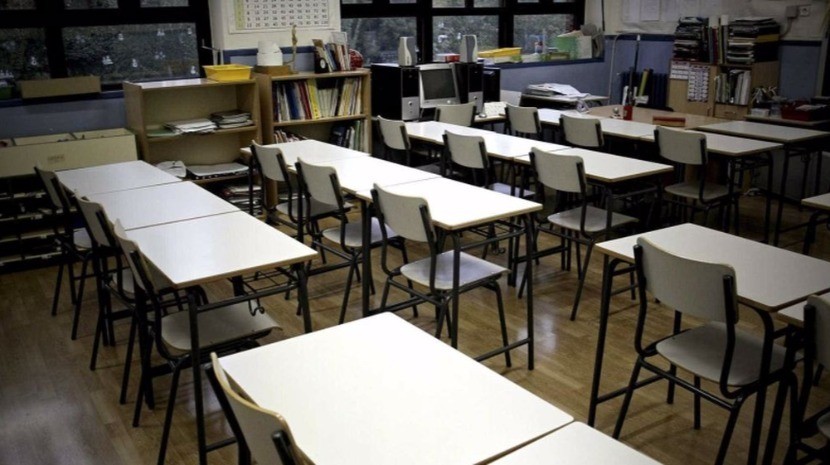
Speaking on the sidelines of the ‘Autonomy Conferences,’ which today focused on education, Albuquerque highlighted several measures introduced in recent years, including support classes for students experiencing difficulties, digital textbooks, and ‘classrooms of the future,’ equipped with robotics, 4D printing, and other emerging technologies.
According to the President of the Regional Government, these policies are already producing measurable and extremely positive results. He stated that Madeiran students are achieving results well above the national average and claimed that performance in subjects such as Science and Mathematics is now more or less on a par with that of Denmark.
Albuquerque emphasised that the success achieved was not solely the result of government policy, but also reflected the dedication of teachers and school staff.
“Without the teachers and without the effort of the teaching profession, we could not have achieved this. The truth is that the results are measurable and extremely positive,” he said.
Asked by journalists which aspects of Singapore’s education model could be successfully adapted to Madeira, Albuquerque pointed to the widespread use of digital textbooks, arguing that they help prepare students for an increasingly digital world. He noted that all pupils from the 5th to the 12th year of schooling already have access to digital textbooks.
“We cannot ignore reality. We live in a digital world, so we must adapt teaching methods and provide students with these tools,” he said.
Another measure highlighted by the President was the reduction in pupil retention rates through targeted support for students struggling in specific subjects. He said the approach involved concentrating teaching resources on pupils requiring additional assistance.
“The aim is to ensure genuine educational success, not artificial success, through work carried out within the school environment,” he said, adding that retention rates had fallen significantly as a result.
He also described the ‘classrooms of the future’ as a key initiative for developing skills in programming, robotics, and communication, areas he believes will be essential to students’ future careers.
Albuquerque further revealed that the Regional Secretariat for Education is currently assessing recruitment needs, particularly in humanities subjects such as History, Philosophy, and Portuguese, where shortages are beginning to emerge.
“We do have some shortages,” he acknowledged, although he declined to provide specific figures.
“I cannot give you those numbers at the moment. We need to look ahead and make decisions on this matter.”
Samantha Gannon
info at madeira-weekly.com
Views: 5