The Administration of Ports of the Autonomous Region of Madeira (APRAM, SA), under the supervision of the Regional Secretariat for the Economy, wants to monitor the level of CO² emissions emitted by ships docking in the region’s ports.
The proposal was announced this week by the president of APRAM, Paula Cabaço, during Porto Maritime Week, which is being held at the Port of Leixões. The conference, promoted by the ‘Transporte & Negócios’ magazine, brings together national and international experts from the maritime-port sector. The project will cost approximately 125 thousand euros.
Speaking at a panel on national port strategies, Paula Cabaço emphasised the need to boost the competitiveness of regional ports. She outlined a plan to invest around 20 million euros in infrastructure upgrades at the Port of Caniçal by 2030. Additionally, she acknowledged the environmental challenges the sector faces, particularly in decarbonisation and digital transformation.
“We are currently developing the ‘Environmental Plan for the Port of Funchal,’ which will allow the integrated monitoring of water, electricity, and fuel consumption, as well as recording parameters related to air and water quality in the port basin. Furthermore, it will monitor greenhouse gas emissions,” explained the President of the board of directors of APRAM, who decided to extend the analysis criteria to also include all information related to the gases emitted by ships that are in port.
“We take our commitment to the environment and sustainability very seriously, hence we intend to monitor environmental indicators in an integrated way, so that we can plan measures to mitigate possible impacts arising from our operations,” said Paula Cabaço, saying that the ‘Environmental Plan’ will be a valuable instrument for decision-making, without compromising the economic activity of Madeiran ports.
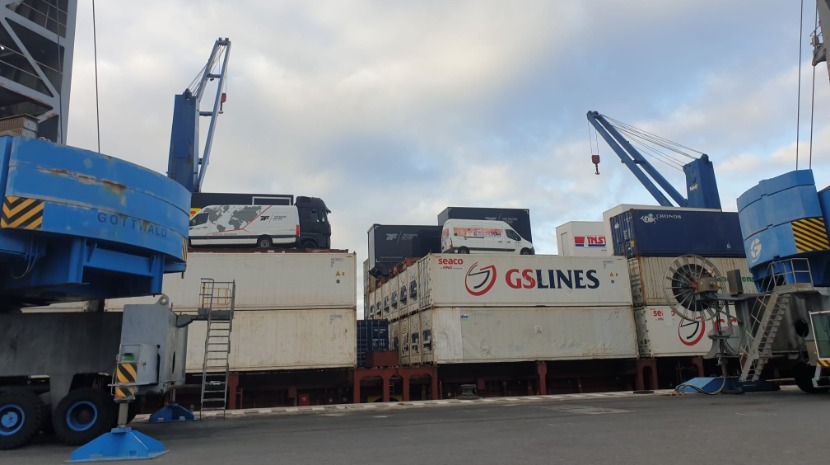
Paula Cabaço stated that by evaluating the environmental impact of port operations, efforts are underway to develop emission reduction strategies, supporting the European Union’s climate goals. On the topic of maritime cargo, the President of APRAM underlined the significance of the Port of Caniçal Region, which handles 95% of the goods and merchandise arriving in Madeira.
“It is a critical infrastructure, so we have to guarantee operational conditions, especially when it is verified that the unloading of goods has been increasing over the last five years.
Views: 0