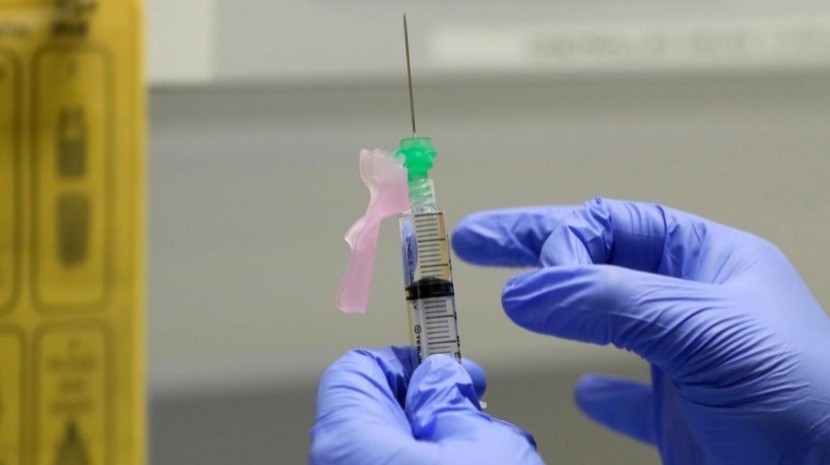
Madeira recorded the lowest Covid-19 vaccination rate in Portugal among people aged 65 and over, according to the 2025 National Health Survey.
Just 18.9% of older residents in the region reported receiving a Covid-19 vaccine in the 12 months before their interview, compared with a national average of 50.1%.
The figures were published by the National Statistics Institute (INE) on Thursday in a report examining the health of Portugal’s older population.
The Azores also recorded a low rate, at 25.3%. The highest uptake was reported in the Setúbal Peninsula, at 57.3%, followed by Greater Lisbon at 56.7% and the North at 53.3%. These were the only regions above the national average.
Flu vaccination was more widespread, with 69.5% of people aged 65 and over nationally receiving the vaccine during the preceding year. However, regional differences remained substantial. Uptake reached 77.2% in the North, compared with 55.7% in Madeira and 52.6% in the Azores.
Vaccination against pneumonia during the five years before the interview was reported by 16.1% of older residents in Madeira, below the national average of 18.8%. Rates were approximately 21% in the North, Centre and Greater Lisbon, falling to 10.2% in the Azores and 8.7% in Alentejo.
The survey was conducted throughout the final quarter of 2025, with the initial findings released on the 24th of June 2026. The latest report provides a more detailed assessment of residents aged 65 and over.
Unless otherwise stated, the following findings apply to Portugal as a whole.
Across the country, 45.9% of older people, approximately 1.2 million, reported difficulty performing at least one household activity. A further 16.9%, around 442,400 people, reported difficulties with personal care.
Hearing in noisy surroundings was the most commonly reported moderate or severe difficulty, affecting 41.5%. Problems with memory or concentration affected 35.2%, while 34.9% reported difficulty biting or chewing.
Among severe limitations, the most common were difficulty biting or chewing, at 17.1%, climbing or descending 12 steps without assistance, at 16.9%, and walking 500 metres without help, at 15.4%.
Only 32% of older people reported no physical or sensory limitations. Mobility limitations affected 38.3%, compared with 6% of those under 65, and were considerably more common among older women than men, at 46.8% and 27.2%, respectively.
Long-term health problems also restricted participation in everyday life. Difficulties using transport affected 16.9% of older people, while 16% reported problems accessing or using buildings and facilities, and 15.7% experienced difficulty moving around outside their homes.
Personal care difficulties were more common among women, at 20.7%, than men, at 11.9%, rising to 41% among those aged 85 and over.
Household activities, including shopping, cooking, cleaning, managing money, taking medication and using the telephone, presented difficulties for 59.2% of older women and 28.5% of older men. Among people aged 85 and over, the proportion reached 78.6%.
Most older people could feed themselves without assistance, at 97.3%. Bathing, getting into or out of a bed or chair, and dressing presented greater challenges. Severe difficulties with household activities were particularly evident in heavy housework, at 22.3%, shopping, at 13.1%, and light housework, at 8.2%.
Among those aged 85 and over, difficulties managing medication and administrative or financial matters were also more frequently reported.
During the year before the interview, 4.6% of older people received weekly home support, while 22.4% received informal help or assistance.
Older people also provided care themselves. Some 11.9% offered informal care, slightly above the 11.4% recorded among people aged 25 to 64. Overall, 6.4% of older people devoted at least 10 hours a week to informal care.
More than a third of older respondents, 35.6%, had only one or two close people they could turn to during serious personal difficulties. Nevertheless, 34.3% were assessed as having strong social support.
High blood pressure was the most common chronic condition, affecting 55.5% of older people. This was followed by chronic lower back or other back problems, at 50%, high cholesterol, at 48.4%, and osteoarthritis, at 45.6%.
Other reported conditions included chronic neck problems, diabetes, urinary incontinence, allergies, and depression.
Prescription medication use was widespread. In the two weeks before their interview, 89.3% of older women and 92.7% of older men had taken prescribed medicines. Non-prescription medication use was lower, at 19.2% and 26.9%, respectively.
Domestic and leisure accidents resulting in injury affected 6.4% of older people during the preceding year, compared with 3.2% of those aged 15 to 64. The proportion rose with age, from 4.8% among people aged 65 to 74 to 9.7% among those aged 85 and over.
Getting old is no fun!
Samantha Gannon
info at madeira-weekly.com
The survey was based on a representative sample of 22,000 dwellings across Portugal and forms part of the European Health Interview Survey.
Views: 30