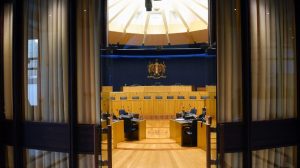
Recommends to the Regional Government to carry out a feasibility study for the construction of a surface metro connection between Calheta and Caniçal have been called for. This is the title of the draft resolution, authored by the PS, which was debated in the Regional Parliament, in a session that took place under the presidency of José Prada.
Mobility on the southeast coast of the Autonomous Region of Madeira faces structural challenges that require a strategic, integrated, and sustainable response. The growing pressure on the main roads, the excessive dependence on individual transport, and the absence of high-capacity public transport solutions have generated frequent congestion, significant environmental impacts, and a degradation of the quality of life of citizens,” justifies the diploma, defended before the deputies by Paulo Cafôfo, parliamentary leader and (still) president of PS Madeira.
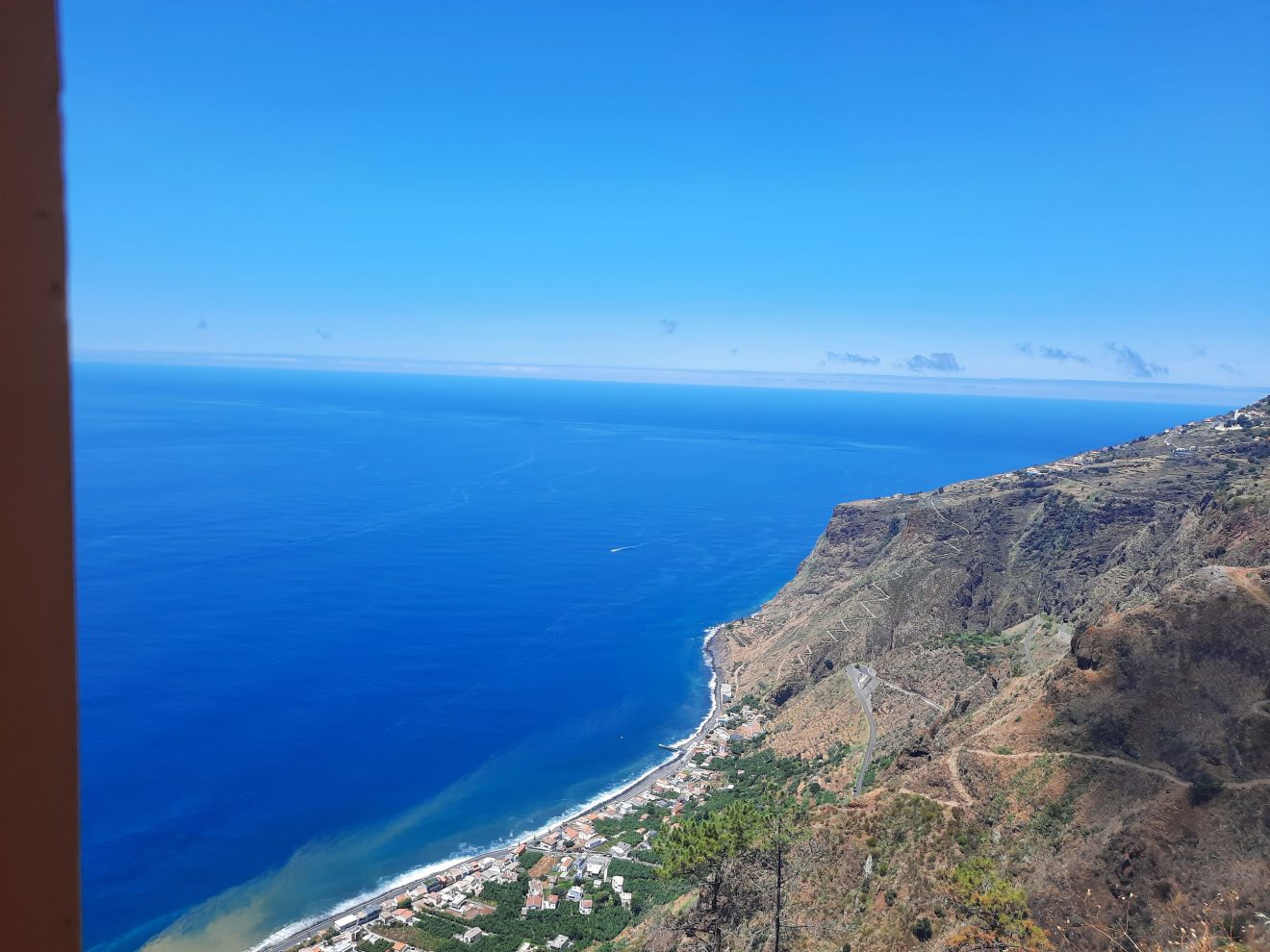
The Calheta-Caniçal link runs through the key urban, employment, and service hubs in Madeira, forming the most important west-to-east axis of the regional network. The heavy reliance on private cars has led to frequent traffic jams on highways and regional roads, especially during rush hours and on routes to Funchal. This causes significant economic and environmental impacts, along with reduced quality of life, delays in accessing essential services, and a decrease in Madeira’s appeal as a destination.
Furthermore, “the absence of high-capacity public transport alternatives has created an excessive dependence on the private car, preventing the introduction of new mobility habits.”
In this context, a qualitative and quantitative expansion in public transport is required, with a structuring and forward-looking solution, which brings together the southern sector of the island from Calheta to Caniçal, passing through intermediate locations and strategic interfaces (Ribeira Brava, Câmara de Lobos, Funchal, Caniço, Santa Cruz and Machico), favouring territorial coherence, scheduled travel times, reduction of emissions and requalification of public space in the areas served.”
This solution, considers the Socialist Party, is not limited to responding to traffic problems, it is an opportunity to requalify the public space, strengthen intermodal integration and enhance the tourist and business attractiveness of Madeira, in addition because the connection to the port of Caniçal and the Free Trade Zone adds a strategic dimension, ensuring fast and reliable access to key logistical and economic hubs for the Region.
“The implementation of the project will be able to mobilise European funding, namely through the Interconnecting Europe Facility, the European Regional Development Fund (ERDF), which includes investment in sustainable urban mobility in outermost regions and islands, and the European Investment Bank. The articulation between these instruments and possible partnerships for rolling stock and operation can optimize the total cost of ownership and accelerate the delivery schedule. The report’s conclusions, the implementation schedule, and the phased budget estimate must be presented to the Legislative Assembly within a maximum period of 12 months.”
Another report shows that the President of Madeira found this whole concept nonsense, estimating that the cost would be in the region of 2 billion euros.
Samantha Gannon
info at madeira-weekly.com
Views: 5