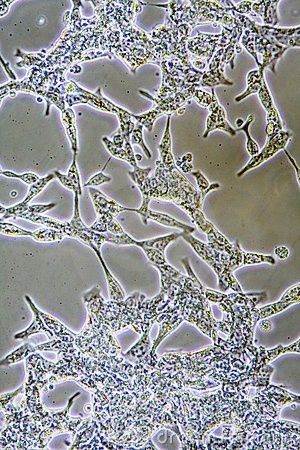
Around 60 to 70% of adults in Portugal are infected with Helicobacter pylori (H. pylori), a bacterium that infects and lives in the stomach, according to a press release from CUF Hospital and Lusíadas Saúde.
This data comes from a study by the International Agency for Research on Cancer, part of the World Health Organization (WHO). Globally, it’s estimated that 76% of the predicted 15.6 million future cases of gastric cancer will be caused by this bacterium.
What is H. pylori?
H. pylori (or Hp) is a spiral-shaped bacterium that lives in the mucus lining of the stomach. It produces an enzyme called urease, which helps it survive the acidic environment of the stomach.
About 50% of the world’s population carries H. pylori. Most people feel no symptoms. However, in some, it can lead to stomach ulcers and, over time, gastric cancer.
How can it cause cancer?
-
Chronic Inflammation: H. pylori causes long-term, low-grade inflammation that damages the stomach lining.
-
Virulence Factors: Certain strains carry harmful genes like:
-
CagA – interferes with normal cell growth.
-
VacA – weakens stomach cells and worsens inflammation.
-
-
DNA Damage: The inflammation leads to reactive oxygen species (ROS) that damage DNA, increasing the risk of cancer over decades.
Final Note
H. pylori is not cancer, but its long-term presence in the stomach creates a hostile chemical environment that can set the stage for gastric cancer later in life.
Samantha Gannon
info at madeira-weekly.com
Views: 3