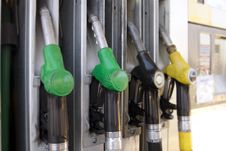
The Portuguese Government is advising national travellers to postpone “non-essential” trips to Cuba due to fuel shortages that are affecting the South American country.
On the Portuguese Communities Portal, a message warns of worsening fuel shortages in Cuba since the beginning of the year. On the 7th of February, the Cuban authorities began to communicate “a series of emergency measures, for an indefinite period, to reduce energy and fuel consumption.”
Such measures, according to the press statement, cover all sectors and may affect the operation of services “in traveller relevant areas, such as health care, transport, water and electricity supply, communications, commerce and catering. It is also warned of the temporary closure of some hotel units and possible disruptions to flights, travel, excursions and recreational activities.”
Due to the unpredictability and risk of worsening current conditions, “travellers are advised to consider postponing non-essential travel to Cuba until the situation stabilises,” the Government recommends.
For those who have to travel, the Government appeals to visitors to stay informed through official sources, respective tour operators and airlines and recommends “strongly registering with the Traveller Registration application” as well as taking out comprehensive travel insurance, which covers situations of medical evacuation, trip cancellation or interruption.
However, the Government does warn that their recommendations are not binding in nature,” functioning only as “indications and advice, which is subject to change at any time. Neither the Portuguese State, nor the diplomatic and consular representations, can be held responsible for damages or losses to people and/or property arising therein.”
Since October 2024, Cubans have experienced intermittent power outages in the national electricity system, which has affected the entire island for several days. This, in turn, has affected water supply, gas, and access to fuel.
“Although several hotels and restaurants have generators, their services may be more limited in the event of very prolonged outages. Hospitals are also affected, and travellers are asked to obtain releveant information on where they can be treated should the electrical supply become comprimised.
On teh 12th of February, the Minister of State and Foreign Affairs said in Porto that the Government is attentively following the situation in Cuba, which is suffering the consequences of the suspension of oil deliveries from Venezuela.
“The issue of Cuba is followed by us with great attention and also with concern, of course,” said Paulo Rangel, when questioned by journalists about the situation on that Caribbean island, where the Vila Galé Group has hotels and travel operators prepare travel packages on charter flights for the Easter holidays.
Cuba has been facing a serious energy crisis since the end of oil deliveries by Venezuela, after the fall of Nicolás Maduro and in the face of Washington’s threats to impose customs tariffs on countries that sell oil to the island.
In response to pressure from Washington, the Cuban government announced emergency measures, including a four-day working week for state-owned companies, restrictions on the sale of fuel, and reduced public transport, in a country already suffering electricity cuts and food and medicine shortages.
Several international airlines have cancelled or reduced flights to the island.
Spain announced on Monday, the imminent shipment, through the UN, of humanitarian aid to Cuba.
Samantha Gannon
info at madeira-weekly.com
Views: 48